
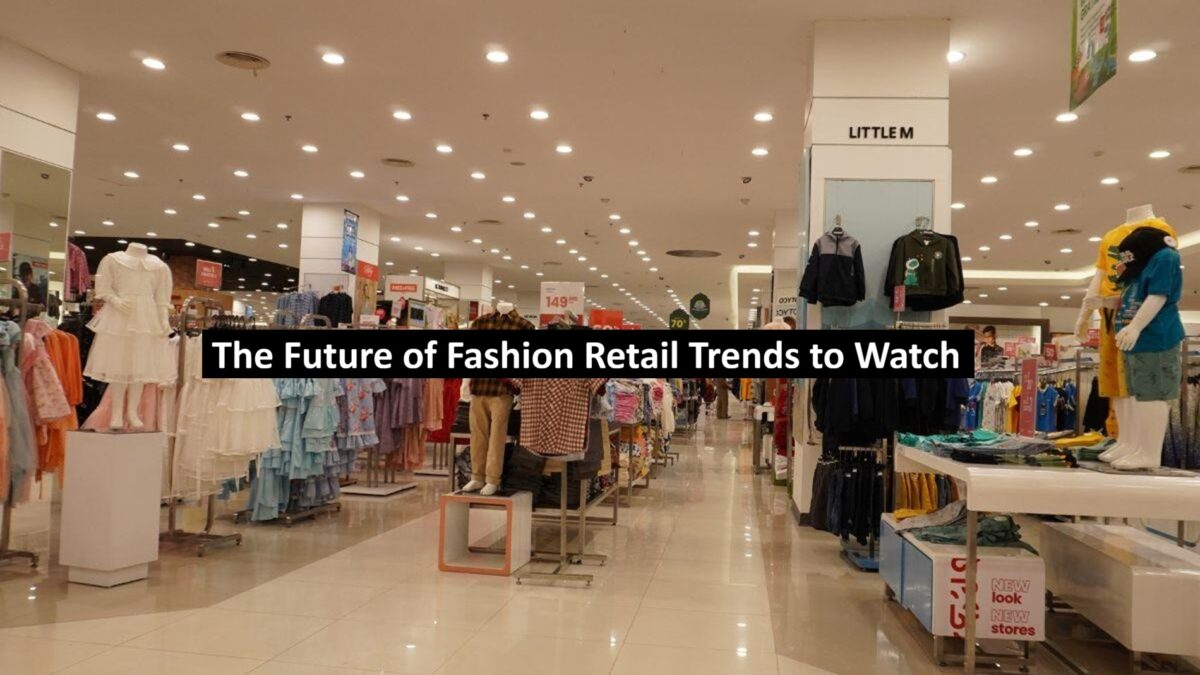
The retail fashion industry is undergoing rapid transformation and adapting to new patterns of consumption in the face of the advances in technology, consumer attitudes, and sustainability. Today’s consumer requires personalized service, consistent in-store and online purchasing, expedited delivery and sustainable products. In response to these requirements, retailers are focusing on: investment in digital technologies; the use of artificial intelligence (AI); and the adoption of business models that cater to both consumer expectations and efficiency.
It may be competitive but fashion brands need to embrace this change. We need to introduce new designs and keep up with the pace without compromising the product quality or compromising with our consumers’ faith.
Omnichannel Shopping Is Becoming the Standard
Customers no longer see a difference between shopping online and off-line. They expect to move through web sites, mobile applications, social media and shops. With omnipresent retail customers could browse the products on the web, see if available in the store, order them on their mobile and have them delivered or collected whenever and where ever they like.
Retailers find it beneficial as it helps them with synchronized inventory management, higher customer engagement, and superior purchasing strategies. Henceforth, it has turn out to be one of the key differentiating factor amongst merchants for offering unified across-channel experiences
Read: How To Dress Better While Spending Less
Artificial Intelligence Is Personalizing Shopping
Augmentative Retail Intelligence is revolutionizing online fashion through extremely individualized shopping journeys. By interpreting customer tastes, clickstream data and purchase histories, machine learning algorithms generate product recommendations suited to specific styles. Chatbots assist and advise customers on their product selections through virtual interfaces, while the online stylist uses smart, personalized insights to help them make the right choices.
Retail technology machine learning retailers utilize machine learning capabilities of retailers such as the one listed in Table X10, will help them predict future demand, as well as streamline stock levels for the business and cut back on overstocking of items. Machine learning will not only create an efficient process but also enhance customer shopping experience.
Sustainable Fashion Is Driving Consumer Choices
Consumers want sustainability, so do fashion brands. Sustainable fashion is on the rise, as consumers are more consciously selecting garments made from recycled materials, organic fabrics, and even more natural production processes. As a response, many fashion labels have started offering greater transparency on the origins and production of the goods they sell and increasingly opting for eco- friendly supply models.
Sustainable fashion and environmentally conscious purchases have begun to gain momentum among consumers and fashion industry brand as well. Now many shoppers are leaning toward clothing that has already existed or manufactured using organic fabric as recycled material. At the same time, learning how to dress better while spending less encourages consumers to build versatile wardrobes, cut back on purchasing too, and be smarter about where they are putting their money towards clothing to respect budget, but encourage positive shopping choices as well. For shoppers looking for ways to cut out on their waste and get more use out of their existing wardrobe, the concept of circular fashion – such as donating or upcycling clothes, shopping secondhand (via charity stores or the resale market), or clothing rental systems – is increasingly gaining interest.
Smart Technology in Physical Stores
The role and rise of physical stores Though we are seeing the ongoing increase in online shopping, physical store presence still matters. In fashion, many stores are integrating technology to enhance customer experience with smart mirrors, smart fitting rooms, contactless payment systems and digital touch screens – offering the best of both digital solutions and on-site personal assistance.
And then stores are employing data analytics to study customer behavior within the store, aiming to improve the store design and layout, the products that is place on the shelves and how many.
Social Commerce Continues to Grow
Social media emerges as a hot new register. The rapid growth of social commerce shows us more than the fact that the internet continues its rise as the dominant commerce Channel. People will continue shopping online on social media and be provided with the latest in e-commerce options when it comes to discovering new products, conducting research before purchases and also to pay directly without leaving the digital application used. Social commerce tools allow you to utilize user-generated content by connecting your accounts with authentic fans and brand experts along with using live shopping sessions to sell through a personal brand or in a collaborative way across channels. These social commerce strategies enable you to attract potential customers more extensively and ultimately expand your reach across channels like other e-commerce stores.
The trend toward shorter-form video and tailored experiences with regard to buying habits further underscores the importance of social commerce in today’s retail.
Data Security and Customer Trust
Keeping Personal Data Safe In Light Of the Rise in customer data gathering by fashion retailers security against theft of personal data have also been taken up with the same much importance; fashion retailers who put up on view secured transaction processes, policies relating to privacy and proper handling of data the confidentially and trust factor among the online and in-store buyers of the shop will definitely rise. Any retailer who adheres to the compliance act and who ensures adequate protection on their net security is guaranteed customer loyalty for life on year.
Building rapport isn’t limited to the tech side of things. Accurate product reviews, great support and a constant product quality will still go a long way towards making people like your brand.
Future Outlook
The future of fashion retail will be led by ongoing developments in artificial intelligence, augmented reality, virtual shopping spaces, and sustainable business operations. Machine learning will enable smarter customer recommendations, while augmented and virtual realities will give consumers an even more engaging shopping experience.
To remain at the forefront in this environment, a successful fashion retailer will marry technology, the drive to remain ethical, and customer-centric plans. Retailers that adapt to the shifts occurring in society will not only satisfy the demands of today, but of tomorrow’s market.
Author’s Bio:
Lalit is a freelance content writer, blogger, and digital marketer with 6 years of experience. He writes clear, engaging content on luxury fashion market, SEO, technology, business, education, and market trends, making complex topics easy to understand and apply.
